
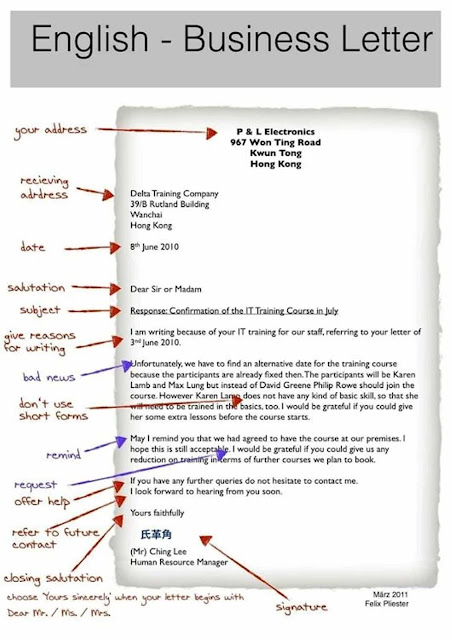
A letter mailed in 1969 finally reached its home in 2019. It took exactly fifty years to travel a distance that most people could walk in a few days. This small piece of paper sat hidden for decades before a stranger decided to do the right thing.
The letter was written by a man named Richard "Dick" Archambault. He was a college student at the time and sent the note to his parents in Pittsfield, Maine. He never thought it would become a local legend half a century later. It is a story about time, family, and how some messages just refuse to be lost forever.
What happens when a letter takes fifty years to arrive?
Most of us get annoyed if a package is two days late. Imagine waiting fifty years for a simple "hello" from your son. In this case, the parents who were meant to read it had already passed away. The house had been sold to new people who had no idea who the Archambault family was.
The letter showed up at the old family home on a Tuesday morning. The new owner, a woman named Jessica Means, looked at the postmark and froze. It said 1969. The stamp cost only six cents. Inside was a message from a young man telling his mom and dad that he was doing well at school. It was a normal, everyday note that had turned into a time capsule.
This kind of event makes you think about all the things we send through the air today. We use texts and emails that arrive in a second. But back then, paper was the only way to stay close. If you want to read about another strange mail story, check out The Letter That Arrived Fifty Years Late to a French Village to see how common this really is.

Where was the letter hiding for all those years?
The post office cannot always explain where these lost letters go. Sometimes they fall behind a sorting machine. Other times, they get stuck in the lining of an old mail bag that gets tossed into a corner. In this case, the letter was found in a sorting facility in Florida. Nobody knows how a letter from Maine ended up there or why it stayed there for fifty years.
The postal workers found it during a deep clean of the building. They could have thrown it away. It was old, yellow, and the ink was fading. Instead, they put it back into the system. They treated it like it was mailed yesterday. That is the beauty of the mail. Once a stamp is on it, the promise to deliver it never truly dies.
It traveled from the warm air of Florida back to the cold woods of Maine. It passed through dozens of hands. Every person who saw it must have felt a bit of magic. It is a great example of a human-interest story that connects us all through a shared sense of wonder.
How did the family react to the surprise?
Jessica Means did not want to just keep the letter. She knew it belonged to someone who might still be alive. She used social media to find the Archambault family. It did not take long. In a small town like Pittsfield, people remember names. She found Richard, the man who wrote the letter, living in another state.
Richard was seventy years old when he finally saw his own handwriting from when he was twenty. He was shocked. He told reporters that he didn't even remember writing it. But as he read the words, the memories came back. He remembered the old desk where he sat. He remembered missing his parents.
His parents, Harold and Adeline, were gone. They never got to read his update about his grades or his friends. But for Richard, it felt like a final gift from them. It was like they were sending a piece of his youth back to him. You can find more stories about lost mail and family history on our main page.
Why do these stories matter to us today?
We live in a world that moves very fast. We forget things almost as soon as they happen. A letter like this stops time. It reminds us that our parents and grandparents were young once. They had the same worries we have. They felt the same love for their families.
When Richard held that paper, he wasn't just looking at old news. He was touching something his younger self had touched. The paper had survived storms, moves, and fifty years of dust. It is a reminder that our words have power long after we say them. Even a simple "I am doing okay" can mean the world to someone decades later.
Think about the things you leave behind. Do you write letters? Most people don't anymore. We leave digital footprints that might vanish if a server turns off. This story shows that paper is tough. It lasts. It waits for the right moment to be found.
Can you still find lost family history this way?
Many people are looking for pieces of their past. They look through old attics and basement boxes. Sometimes, the post office does the work for you. This letter is a form of oral history that was captured on paper. It tells a story of a specific time in America, right at the end of the sixties.
If you have old letters in a box, go read them tonight. You might find a detail you forgot. You might find a name of a person who meant a lot to your family. Richard Archambault got a second chance to connect with his past because one stranger decided to mail a letter instead of tossing it in the trash.
It makes me wonder what else is hiding behind the mail machines. Is there a letter for you waiting in a bag somewhere? Maybe it will take another fifty years to find its way to your door. The world is full of these little mysteries that connect us across time.
The next time you see a mail carrier, think about the weight they carry. It isn't just bills and ads. Sometimes, it is a voice from fifty years ago trying to get home. Would you go out of your way to deliver a letter to a stranger if you found one from 1969?